Mobile puzzle that blends pool aiming with number logic
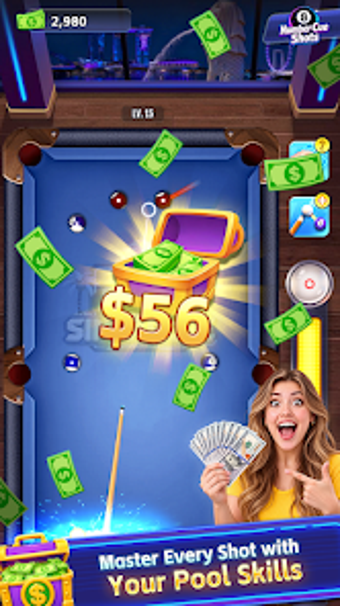
Number Cue Shots by Mini Coloring is an Android casual puzzle that pairs billiards aiming with numerical matching for a focused table-based challenge. The game asks players to match a numbered cue ball to target balls and sink them in sequence, using touch drag-and-release aiming and physics-driven rebounds. Levels escalate with patterned numerical sequences while minimalist visuals and calming music create short, relaxing sessions aimed at casual puzzle players of all ages.
What kind of game is it?
In this game, you merge pool-style aiming with number puzzles so each shot carries both spatial and logical consequences. The core objective asks the player to line up a cue ball whose number must match target balls, then sink them in a prescribed order. The presentation stays spare and level-based, framing each board as a discrete puzzle that challenges both aim and sequence selection.
Does it reward careful aiming over rote repetition?
Inside the levels, success depends on precision and planning rather than memorization. Shots use a drag-and-release touch method for aiming and power control; ball movement follows pool-style physics so rebounds and angles alter outcomes. Designers introduce complexity by arranging numerical sequences and tighter table layouts, which elevates the value of well-placed shots and thoughtful shot chains.
How does it look and sound on mobile?
On each table the interface keeps visual elements sparse, with smooth animations and a restrained color palette. The audio supplies calming background music and discrete collision cues that mark pockets and impacts. Controls show clear visual guidance when aiming, and the layout avoids crowded menus. The minimal aesthetic supports concise play sessions and keeps focus on solving the current board.
Is progression suited to brief mobile play sessions?
During a session levels scale in complexity through patterned numerical sequences and denser object placement. The design encourages short attempts, yet some boards require multiple deliberate shots to clear, so individual levels can extend play time. The progressive difficulty rewards experimentation, making the experience better suited to players who accept incremental challenge rather than seeking instant resolution.
Best for methodical, single-player puzzle sessions
The game is a compact pick for casual puzzle players who prefer methodical, low-pressure challenges and solo sessions. It suits short breaks and deliberate problem-solving rather than fast reflex tests. A trade-off appears: patterned, progressively tougher boards can extend level length, which benefits patient players but reduces appeal for those wanting rapid, competitive matches. Expect a focused single-player puzzle tool.